
The best reviews happen when everyone's pointing at the same thing at the same time.
Comment threads are correspondence, not collaboration. We brought the pin-up wall back.
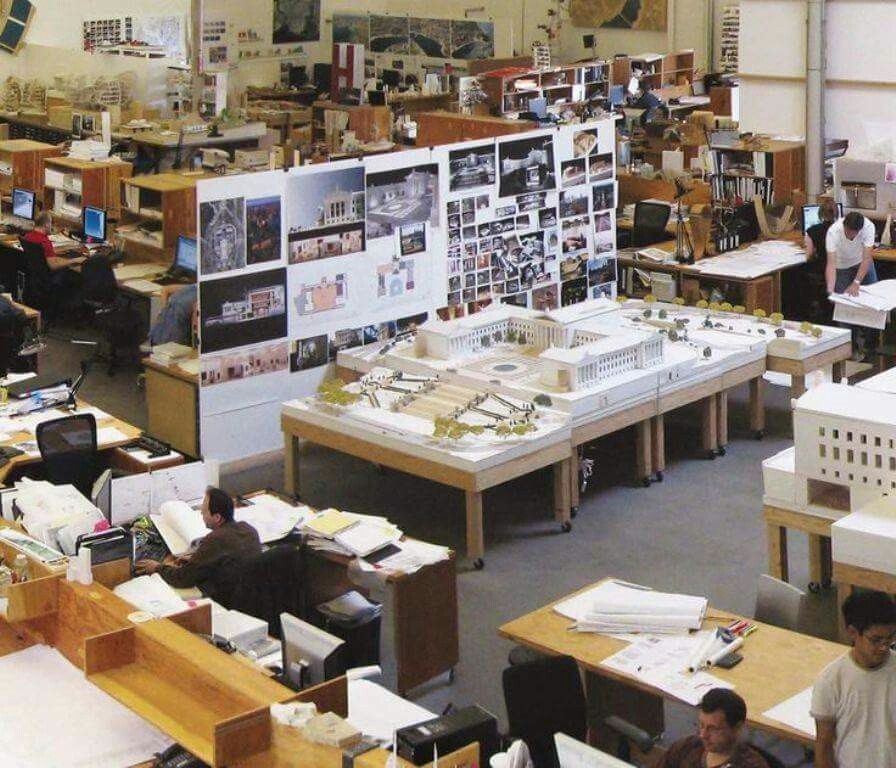
Think about the best design review you've ever been in. Not the most polished one — the best one. The one where the idea actually got better in the room.
Odds are it was in person. Odds are there was a wall, or a table, or a pinboard. Odds are somebody pointed at something, somebody else leaned in, and a third person said "wait, what if..." and the whole thing shifted. The energy in those rooms is real. You can feel it when it's happening, and you can feel its absence when it's not.
Most design tools are built as if that energy doesn't matter. They're built for the meeting after the meeting, the one where you leave comments, and somebody reads them tomorrow, and replies the day after, and by Friday the thread has eleven responses and no decision.
That's correspondence, not design.
The studio ritual we were trying to hold onto is specific and physical. Multiple people, one surface, real-time attention. Somebody points and everybody looks. Somebody moves a card and everybody sees it move. Somebody moves a certain way and the meaning is visible before they've said a word about it. That's the loop.
When that loop goes async, something dies. Not the work, necessarily, the work still gets done. What dies is the compounding. The thing where one person's half-idea triggers somebody else's better idea triggers a third person's reframe, all in thirty seconds. It's hard to compound across a three-day comment thread. By the time the reply lands, the moment that would have made it matter is gone.
Real-time wasn't a feature we added. It was the thing we brought with us from the physical world.
Cursors that actually move. Presence you can actually feel. No "someone else is editing this" modal. No version that's almost right but from twenty minutes ago. When you're with your team, you're with your team. The same way you'd be at the same table, looking at the clay mold, pointing at the same corner of the same reference.
The technical work behind that is significant and invisible, which is how it should be. The designer shouldn't have to think about sync. The designer should be thinking about the work.
The pin-up wall was never about the pins. It was about everybody being in the room.